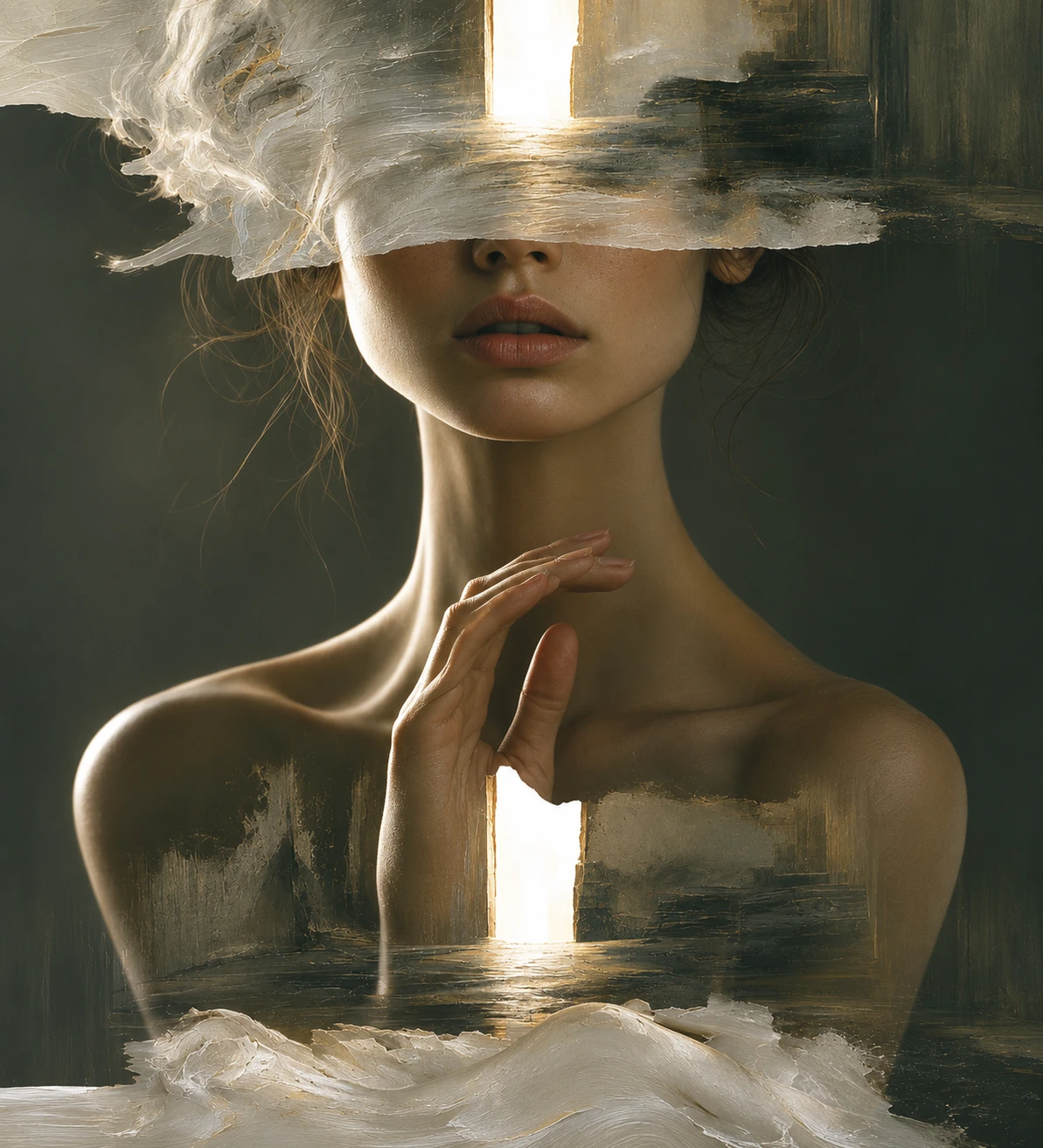
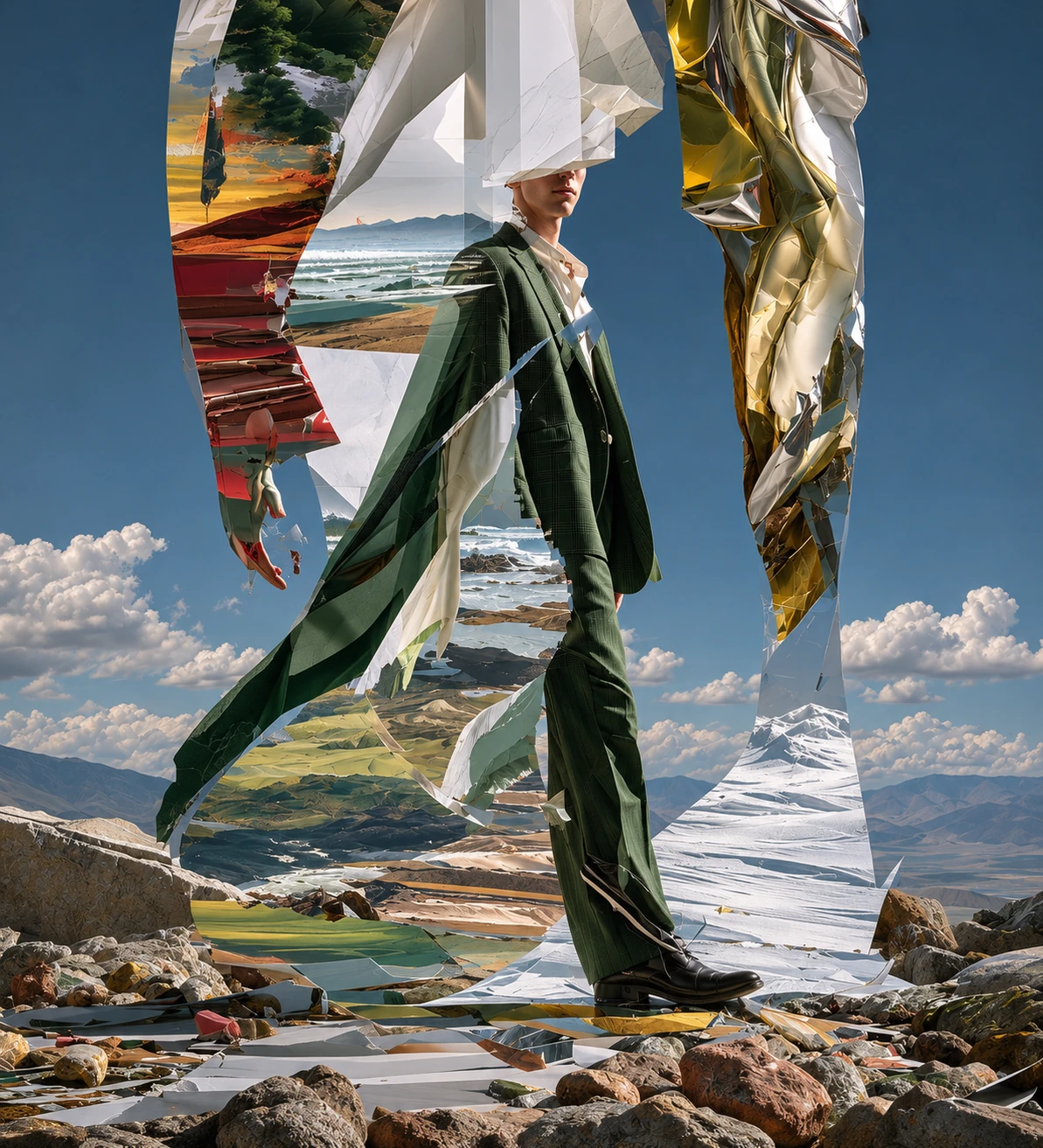
The machine has no intention. I do.
On generative AI, artistic authorship and what makes a creative decision.
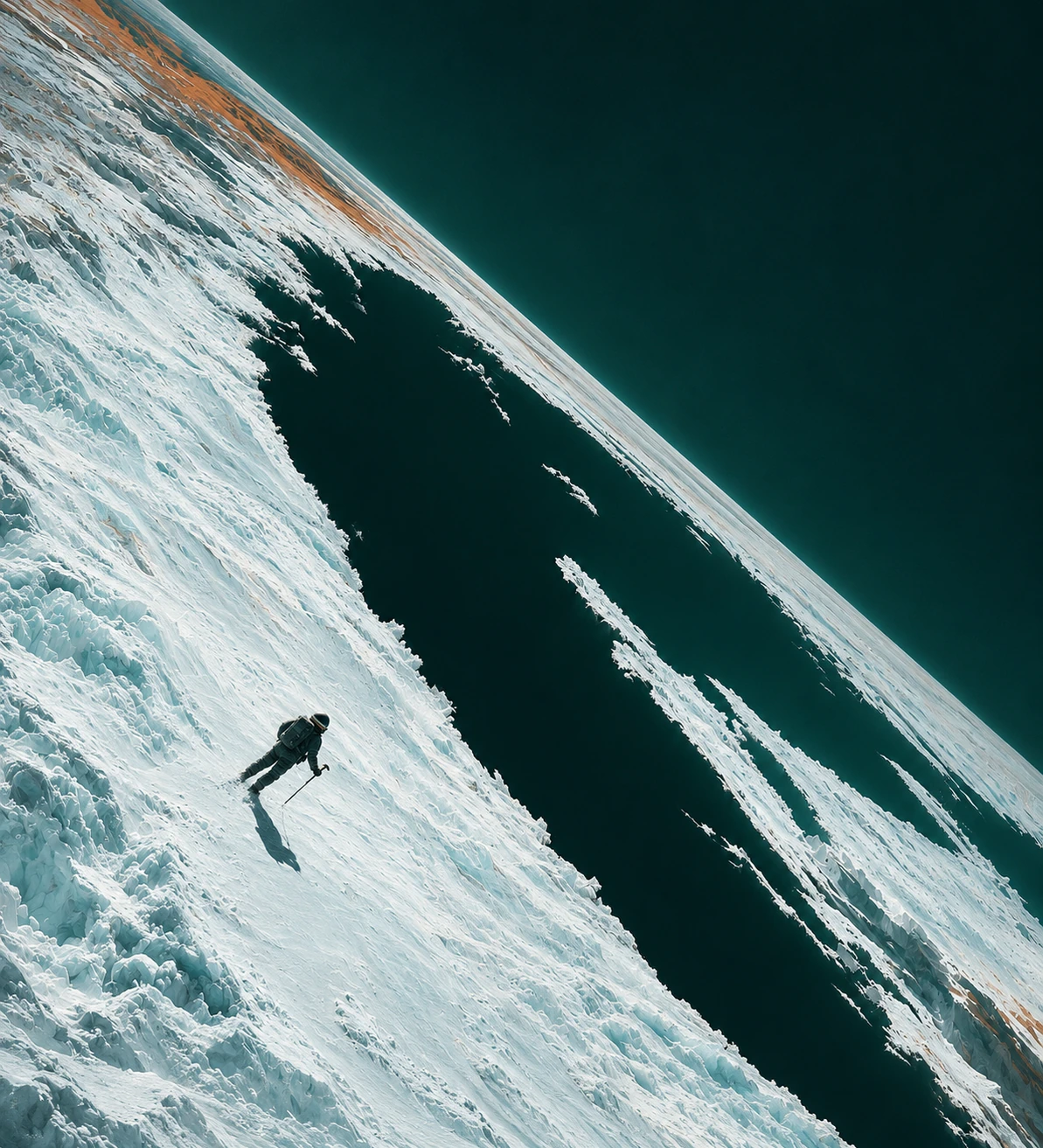
An output is not yet a decision
Is something really art if it was made with the help of a machine?
I encounter this question again and again.
I understand why it is asked. It touches on our understanding of creativity, craft and human achievement.
Still, I believe that sometimes it makes us miss the most interesting point.
Perhaps we should not speak only about how an image is made.
We should also ask why it comes into being at all.
Generative AI can create impressive images in a matter of seconds.
But the ability to create an image does not answer what I want to express with it.
If I generate ten variations of an idea, I have ten possibilities to begin with.
Not automatically ten finished works of art.
I have to decide which direction to pursue.
Perhaps the most technically accomplished version is not the one that interests me.
Perhaps another image has a blur, an unusual expression or an unsettling quality that stays with me more strongly.
Then I may choose against the flawless result.
And in favour of the imperfect one.
Authorship means responsibility
When working with generative AI, I do not have complete control over every single pixel.
But complete technical control is not the only possible basis for creative authorship.
Other art forms also involve chance, material properties and processes that cannot be fully predicted.
What matters to me is what emerges from them.
Which decisions do I make?
What do I allow?
What do I reject?
What connections do I create?
A technology can offer me possibilities. That does not relieve me of the responsibility to develop an artistic direction.
When technology no longer impresses
The tools are constantly changing.
Models become more powerful. New features emerge. What was difficult yesterday can be done with a few prompts today.
If I based my artistic identity solely on mastering these tools, I would have to redefine it with every technological development.
That seems too little to me.
What can remain is the way I think.
The questions that occupy me.
The ideas that return again and again.
The images I reject, even though others might like them.
The real question
I do not want my work to be looked at only because it was made with AI.
I want it to provoke something.
For people to discover something in it.
Perhaps even something I did not consciously put there myself.
Technology is part of the creative process. But it is not necessarily the message.
Perhaps the most important creative ability today is not to generate as much as possible, but to decide what deserves to have meaning.