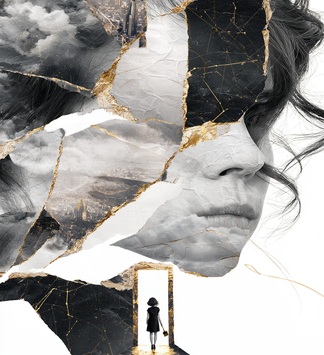
When a face loses its certainty
We speak of identity as though it were something we possess: something stable, waiting somewhere inside us to be discovered. Perhaps it is less a fixed state than an ongoing process, shaped by experience, relationships, expectations and the images others create of us.
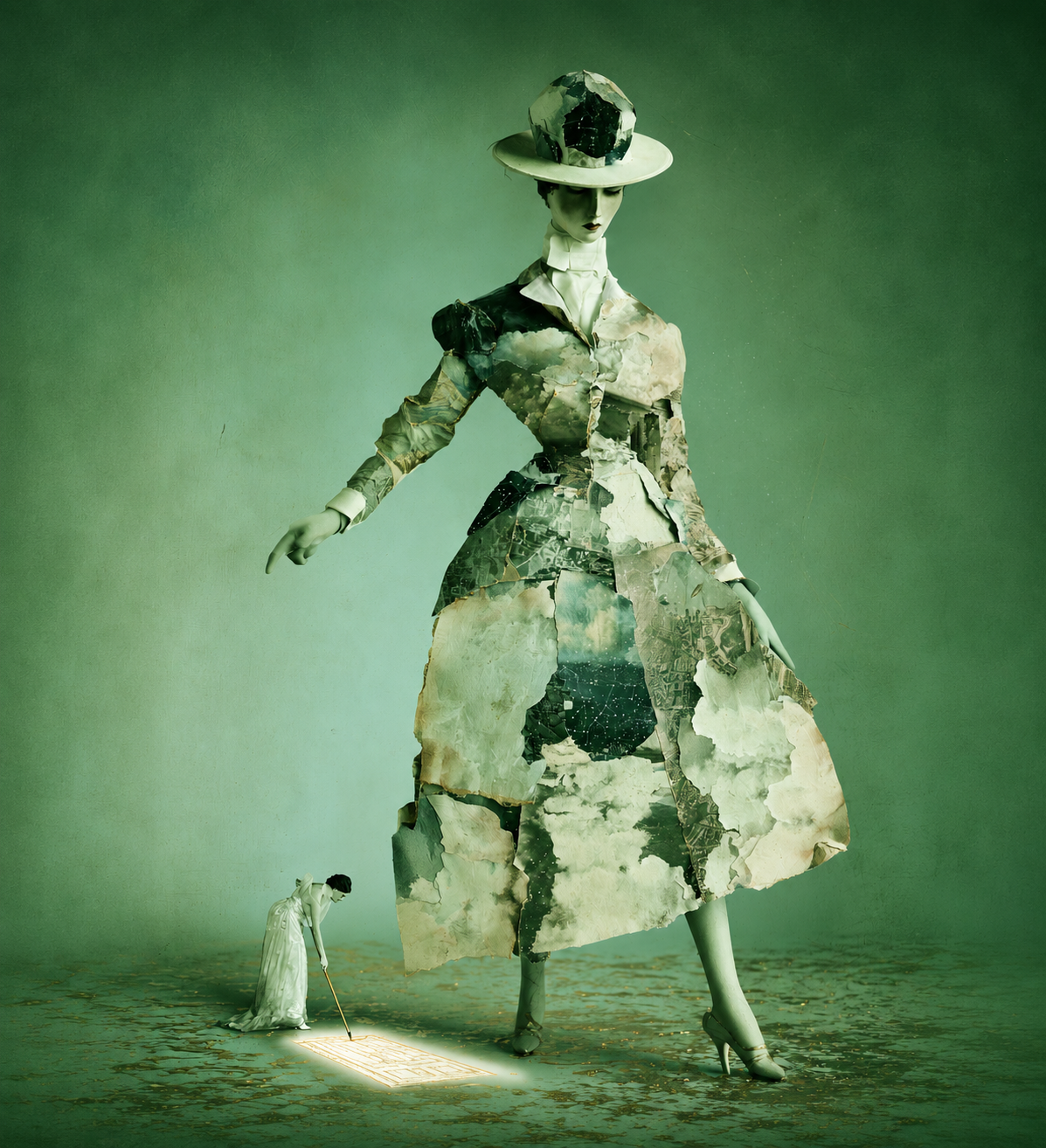
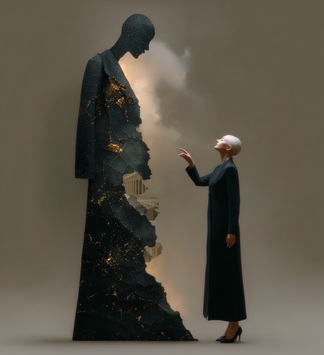
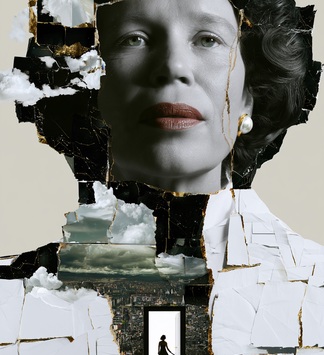
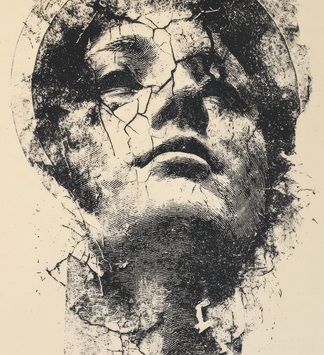
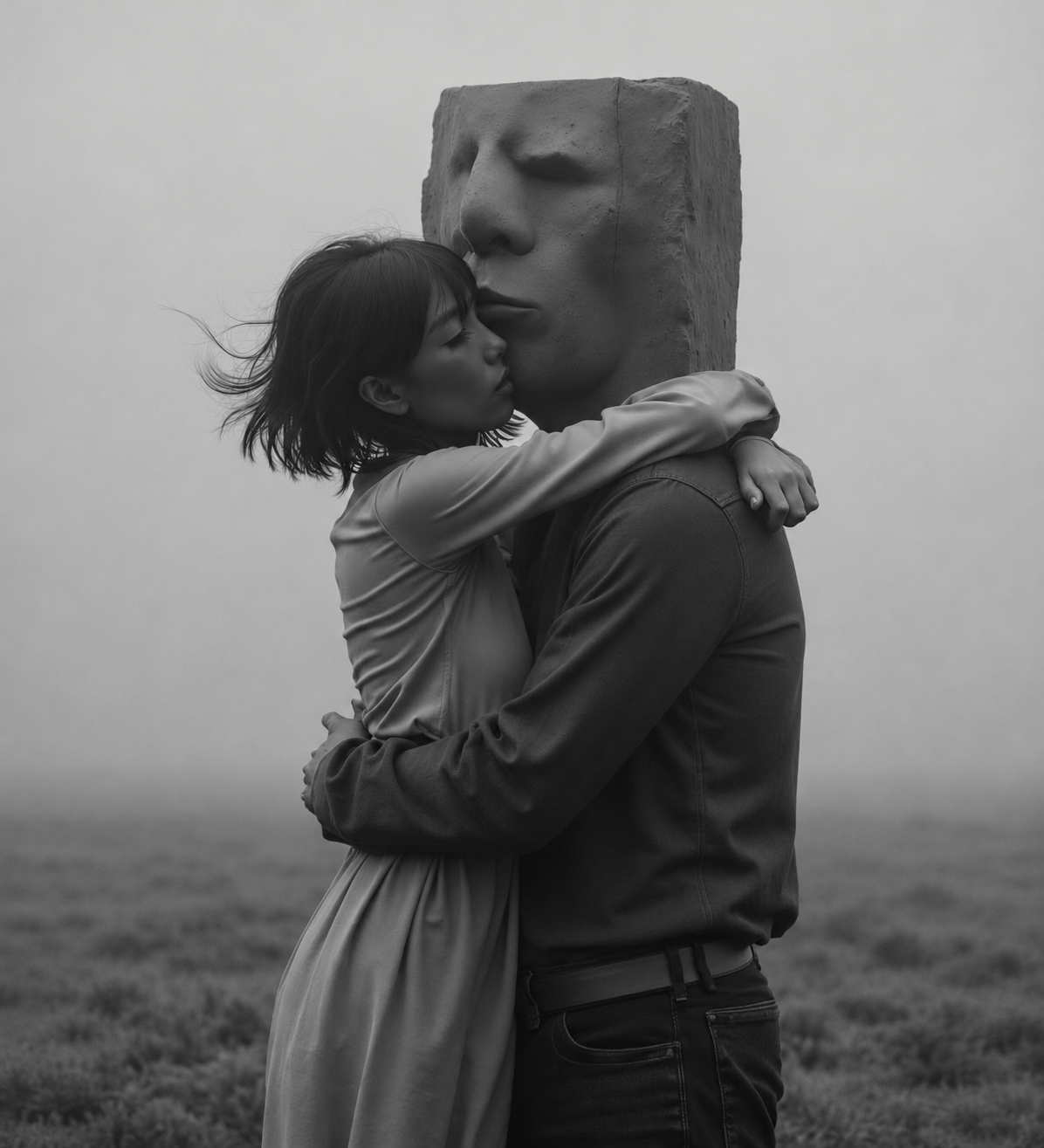
In the series Identity, faces appear fragmented, shifted or partly dissolved. Fragmentation does not simply mean that something is broken. It can also suggest that a person exists through several perspectives at once. A face need not be complete to remain recognisable, and a person need not be without contradictions to have an identity.
The image and the gaze
I am drawn to the moment when a portrait becomes difficult to read. We instinctively look for expression, mood and story, but what happens when those clues no longer agree? When an image shows something and withholds something else?
In a digital world, we continually shape what is visible and create versions of ourselves for others to see. Yet the questions are older than any technology: Who am I apart from the way I am seen? How much of me belongs to me? Who decides which version is true?
A state in between
Identity offers no final answer. It stays with the incomplete, the contradictory and the moments when our idea of ourselves begins to shift. Perhaps identity is not about remaining the same person, but about learning to live with our own changes.