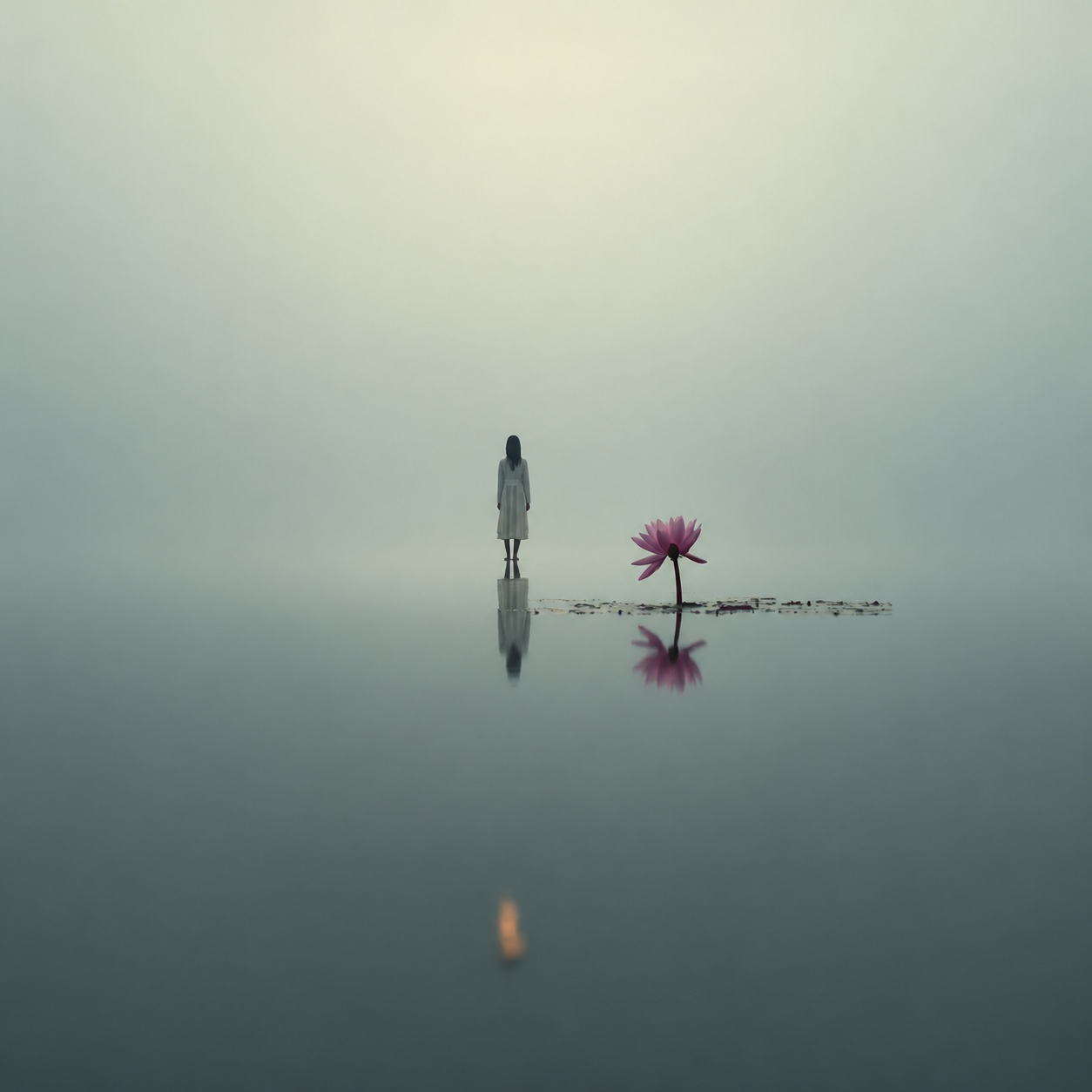
The presence of the invisible
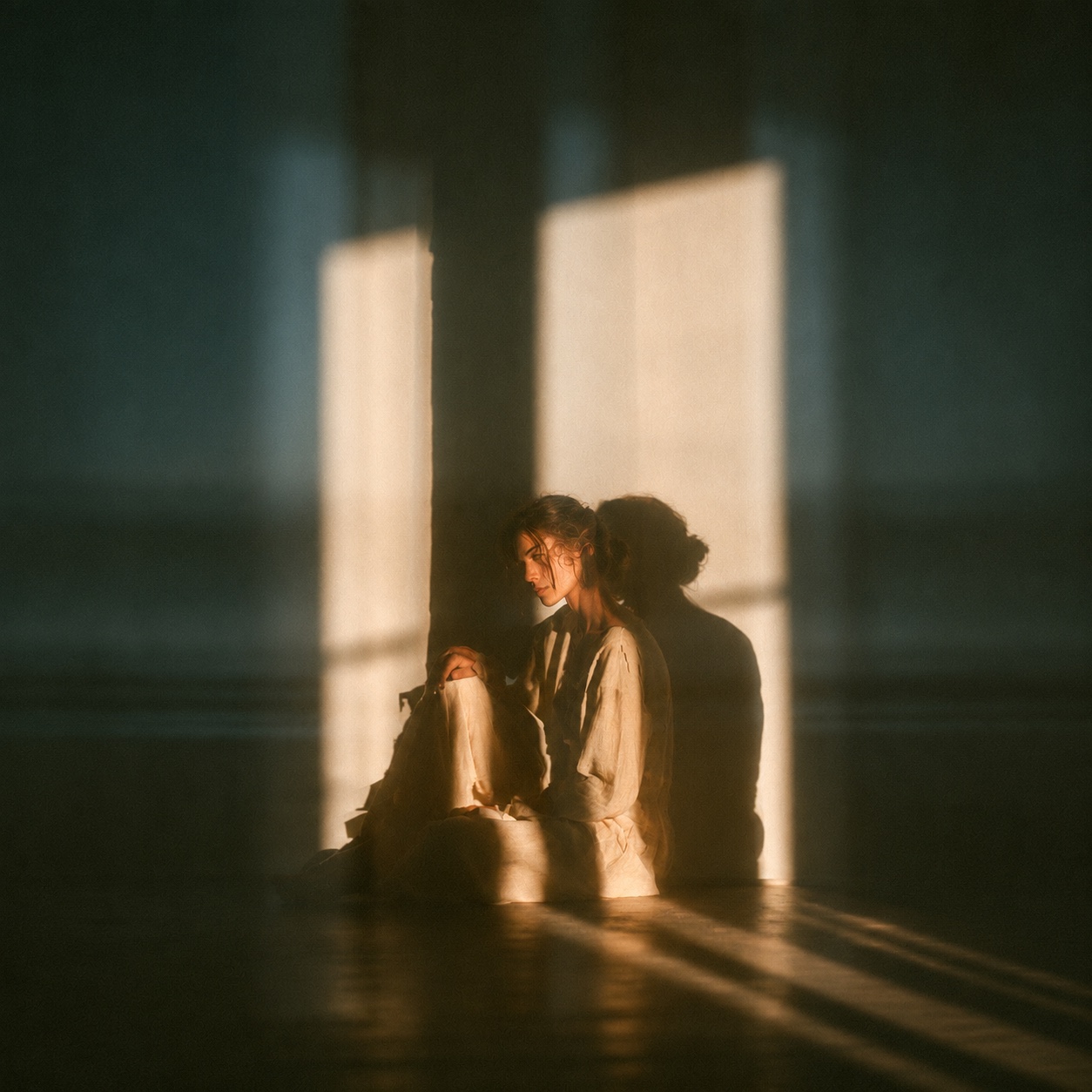
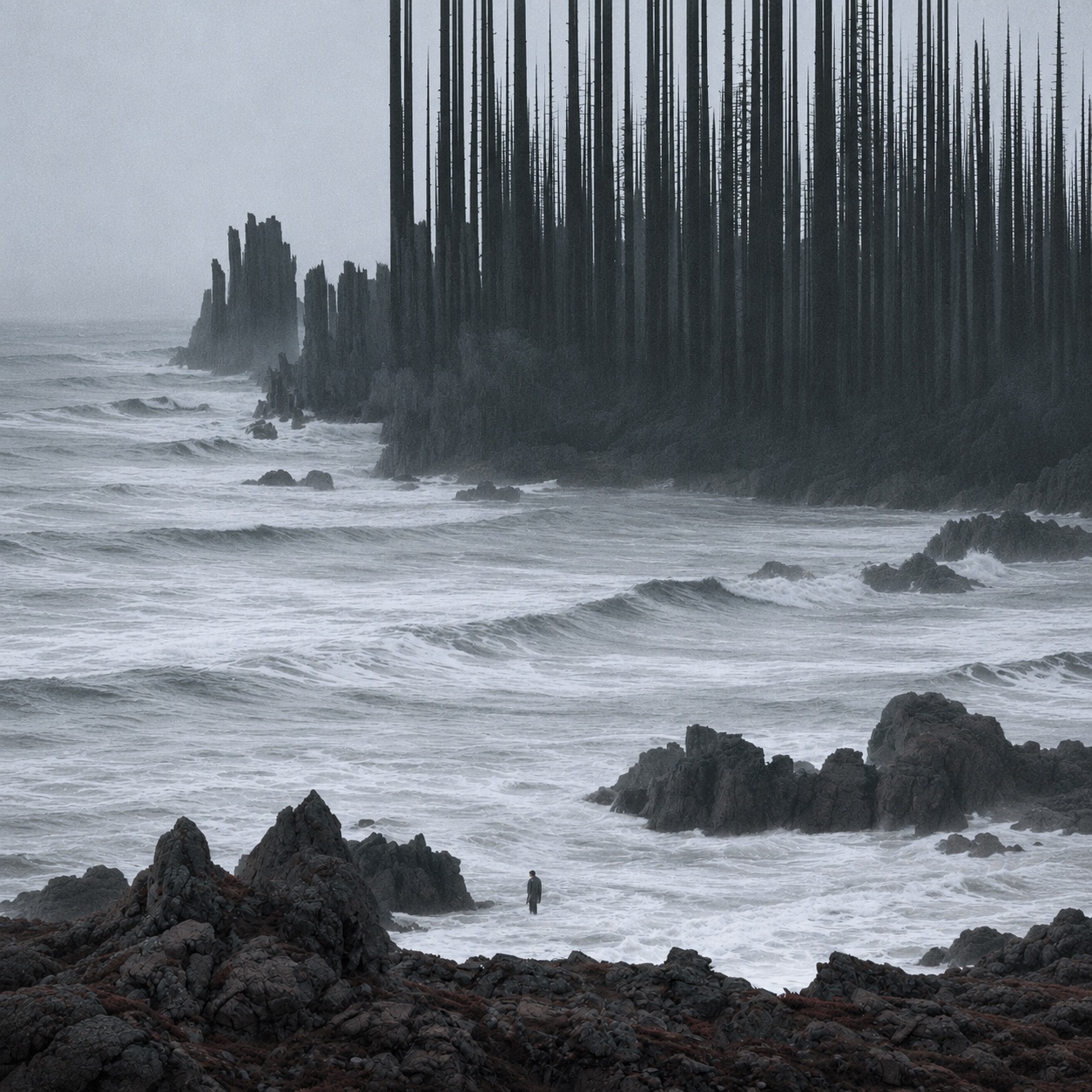
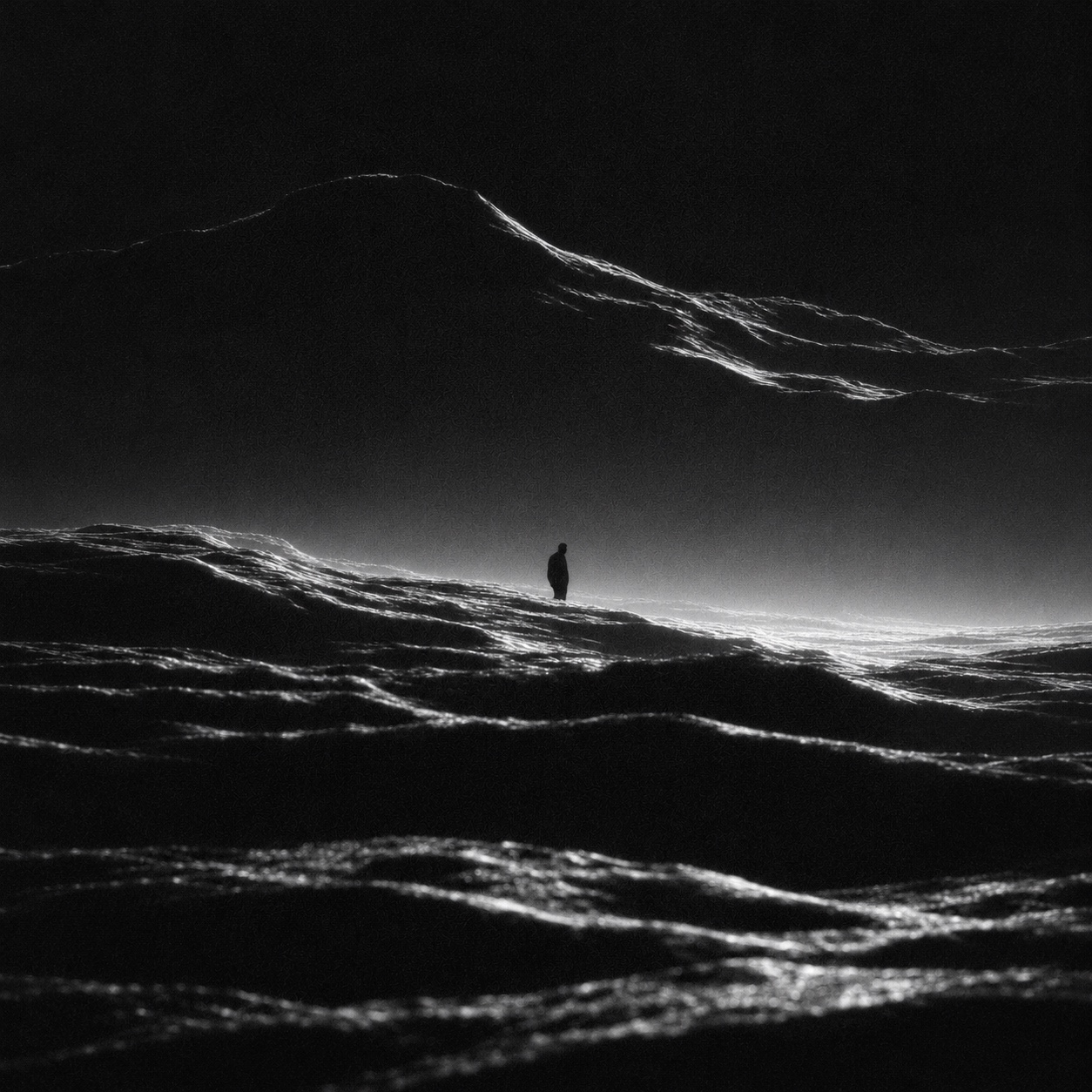
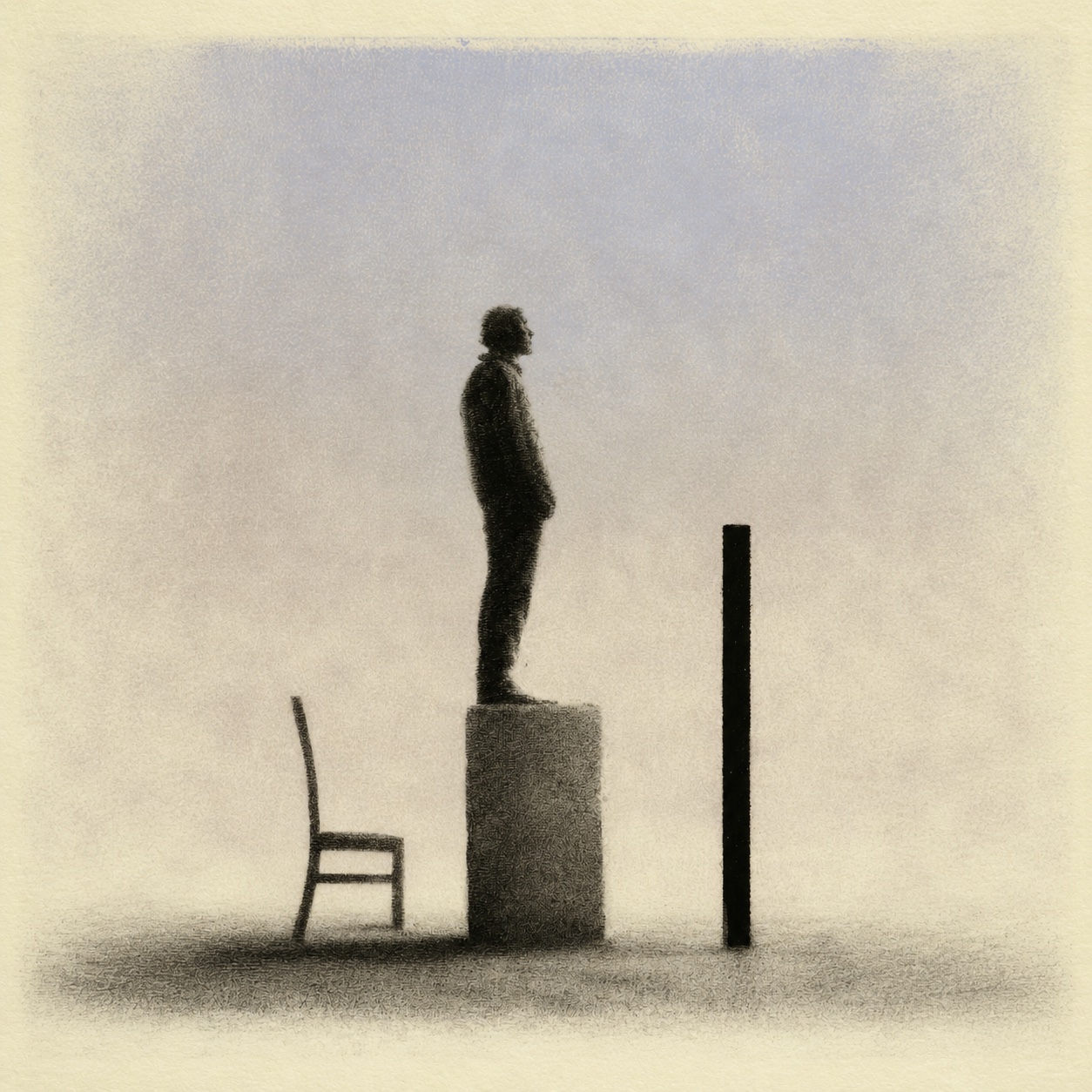
Silence is not always the absence of sound. It can be a state in which thoughts become especially clear, a space between two people, or something that cannot quite be spoken. Mille Silence explores these different forms of quiet: memories without a clear shape and emotions that are difficult to name.
Images are often asked to attract attention and provoke an immediate reaction. I am also interested in what happens when an image holds back: when a figure is indistinct, or meaning lies in a mood, a distance or an empty space. Such images leave room for personal memories, associations and uncertainty.
Memory is not a faithful record
Remembering is not simply retrieving an unchanged picture of the past. Memories shift: some details emerge, others fade, and the meaning of an event can change even when the event itself does not.
This instability is not only a loss. It shows how closely memory is tied to who we are now. We look at the past from a new position each time. Perhaps memories are less fixed images than ongoing reinterpretations.
What we do not say
Some experiences remain unspoken because we lack the words. Others stay private because we want to protect them, or because we do not yet know what they mean. Silence can create distance, but it can also bring people closer.
A shared silence can express more familiarity than a long conversation. An unspoken thought can sometimes carry more weight than a complete explanation. These contradictions are part of what draws me to silence.
The art of leaving space
Perhaps one strength of art is that it does not have to say everything. An image can suggest without defining, make room without filling it, and touch a memory without naming it exactly.
Mille Silence attends to these in-between spaces and to what remains when we stop trying to explain everything. Not every silence is empty; some are full of things that have not yet found a language.